

You’ve probably heard the saying “squats are the king of all exercises,” and it’s not just something fitness people say to sound cool, there’s real science behind it. Squats are one of those rare movements that seem to do everything: they build muscle, improve strength, enhance balance, and yes, they naturally boost your testosterone levels. But why exactly does that happen? Let’s break it down in a way that actually makes sense.
First off, testosterone is the hormone that plays a huge role in how your body builds muscle, burns fat, and even how much energy and drive you have. It’s not just a “male hormone” — both men and women need it for muscle tone, recovery, and overall vitality. When your testosterone levels are higher, your body becomes more efficient at building and maintaining lean muscle mass.
Now, here’s where squats come in. Squats are a compound exercise, which means they hit multiple muscle groups at once, your quads, glutes, hamstrings, core, and even your lower back. When you perform a movement that demands so much from your body, it sends a powerful message to your brain: “We need more strength, more recovery, and more growth.” And one of the ways your body responds to that stress is by increasing the release of anabolic hormones, especially testosterone and growth hormone (SOMATOTROPIN).
Think of it like this: when you train small muscles (like biceps), the hormonal demand isn’t that high. But when you train huge muscle groups like your legs and glutes with squats, your body goes into overdrive to adapt. That hormonal spike is your body’s natural way of saying, “Alright, let’s build and recover stronger.”
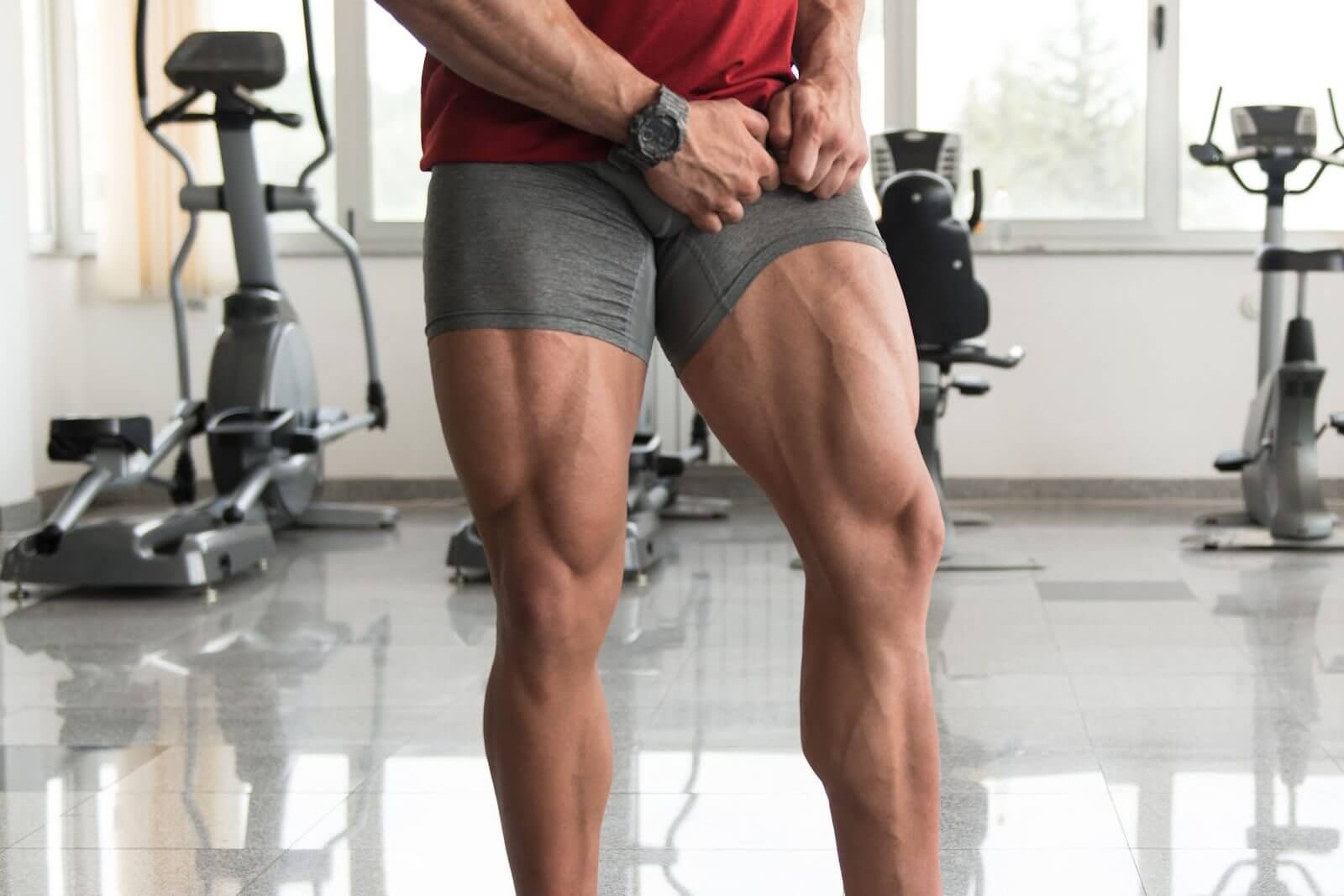
Another reason squats have this effect is because they require full-body effort and intensity. When you load your body, even if it’s just your own bodyweight or a barbell, your nervous system kicks in to stabilize everything. This full-body tension and energy output create the perfect environment for hormone release. You’re not just training your legs; you’re training your entire hormonal system to respond better.
And here’s something a lot of people overlook: squats also improve blood circulation and metabolism. That means your body becomes more efficient at transporting oxygen and nutrients, which directly supports better recovery and more consistent testosterone production. Plus, when you train with intensity and consistency, your body adapts by improving overall hormonal balance. In other words, you’re not just boosting testosterone during the workout, you’re setting your body up to keep it at healthier levels all the time. Of course, form and intensity matter. If you’re half-squatting or going too light, you won’t trigger the same hormonal response. You’ve got to push yourself safely and progressively, to really see the benefits.
The takeaway? Squats aren’t just a leg day move - they’re a total body and hormone booster. They challenge your muscles, fire up your nervous system, and tell your body to grow stronger - inside and out. So, the next time you think about skipping leg day, remember this: every time you drop into a squat, you’re not just training your legs, you’re signaling your body to produce more of the very thing that makes you stronger, leaner, and more alive. That’s the real power of squats.
2 Steps Proven Method To Get You Lean
More about Self Care, Gym, Immune Support, Focus,
Top Posts
a year ago
5 Proven Steps To Build Muscle
a year ago
5 Hidden Health Miracles of Swimming You Didn’t Know About
a year ago
"Secret" Weapon
2 months ago
2 Steps Proven Method To Get You Lean
a year ago
Unlocking the Secrets of Vitamin C: More Than Just an Immune Booster!
2 months ago
Natural Testosteron Booster


