

Winter: cozy sweaters, hot drinks, and germs throwing a surprise party in your sinuses. Cold temps, more indoor hangouts, less sunlight (vitamin D ghosted us again), and holiday stress tag-team your immune system like it’s WrestleMania. The plot twist? Simple, evidence-based habits can seriously tilt the odds in your favor. Do a few consistently, and you’ll spend less time sniffling and more time sipping cocoa like a smug wellness ninja. Takeaway: cozy is great; contagious is not—let’s get you both.
Let’s be real: it’s not just your thermostat that takes a hit. Shorter days = less sunlight = lower vitamin D, which your immune system actually cares about (even if you don’t until February). More time indoors means tighter quarters and better networking opportunities for viruses during cold and flu season. Cold, dry air and low indoor humidity help respiratory viruses survive longer and hitch rides farther. Add holiday chaos, disrupted sleep, and stress, and your immune defenses are basically texting “new phone, who dis?”
Takeaway: the culprits are less sun, more people, drier air, and more stress—know the villains, beat the plot.
Food is your daily, edible shield. Not as cool as a lightsaber, but easier to meal prep—and a reliable way to boost your immune system.
Focus on whole, minimally processed foods:
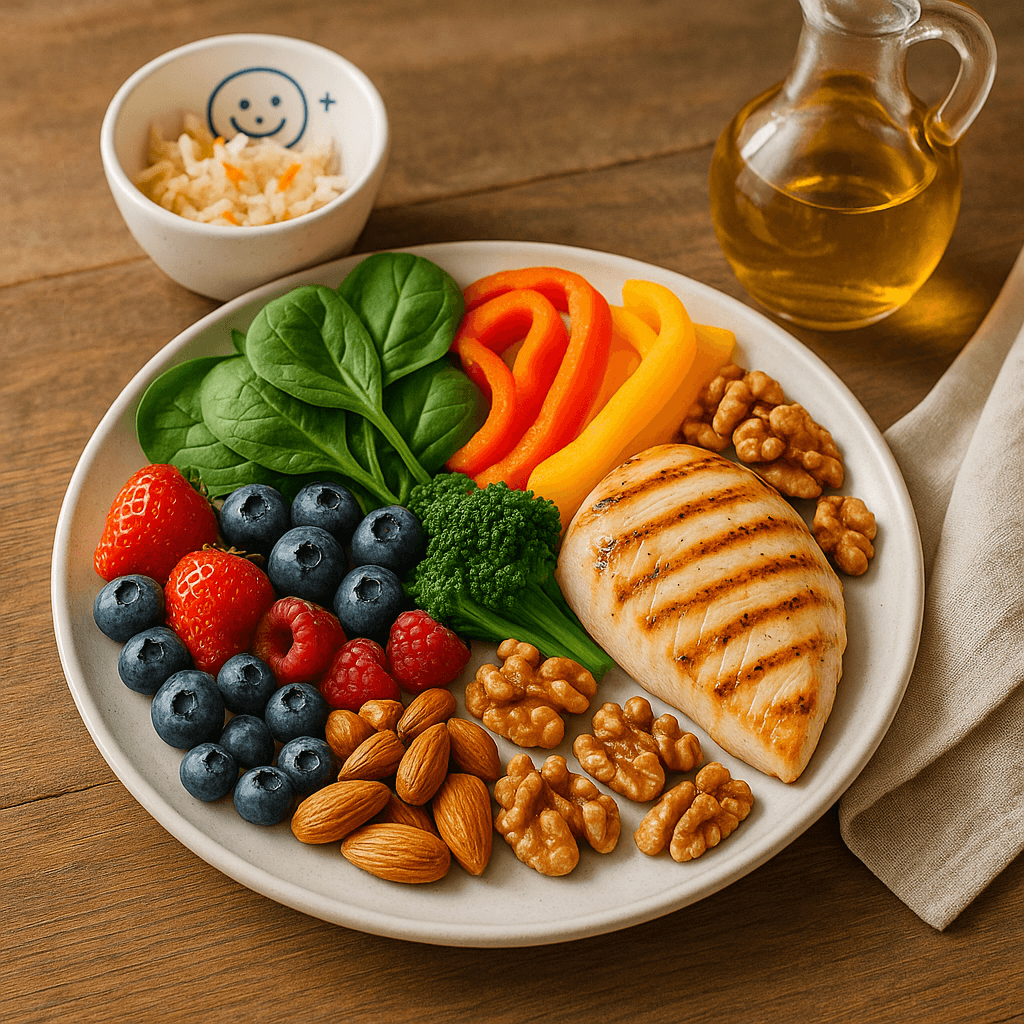
Colorful vegetables and fruits: vitamin C, polyphenols, and antioxidants that help your cells play defense like it’s the playoffs.
Lean protein (fish, poultry, legumes): amino acids your immune cells use to repair and rebuild—like sending the construction crew coffee.
Healthy fats (olive oil, nuts, seeds): support balanced inflammation so your immune system reacts, not overreacts.
Key nutrients to prioritize:
Vitamin D: levels drop in winter; supplementation can reduce risk of acute respiratory infections, especially if you’re deficient. Consider a daily supplement in autumn/winter—ask your clinician for a dose appropriate to your levels.
Vitamin C and zinc: support immune function and can modestly shorten symptoms when started early during illness. Hot take in 3…2…1: more isn’t always better. Don’t megadose C (your urine doesn’t need a side hustle), and be mindful with zinc lozenges (can cause nausea; avoid intranasal zinc).
Probiotics and fermented foods: certain strains have been shown to modestly reduce upper respiratory infections and duration. Yogurt, kefir, sauerkraut, kimchi—aka your gut’s group chat.
Practical tips:
Add a serving of brightly colored produce at each meal—berries at breakfast, bell peppers at lunch, leafy greens at dinner. Taste the rainbow, but like… the farmer’s market version.
Include one fermented food daily or consider a quality probiotic.
Keep healthy snacks visible (nuts, fruit, carrot sticks) so you don’t end up in a long-term relationship with the cookie tin.
Takeaway: eat like a grown-up plant-loving raccoon—color, crunch, and a little culture (fermented).
If your immune system had love languages, they’d be sleep and boundaries.
Sleep:
Aim for 7–9 hours. Even a few short nights can blunt vaccine responses and immune defense. Yes, your body notices.
Keep a consistent sleep schedule and dim screens 30–60 minutes before bed. Your phone will survive without you; your T cells will not.
Stress management:
Chronic stress scrambles immune signals. Use short, repeatable practices—60 seconds of slow breathing (in 4, out 6), a 10-minute walk, or a quick guided meditation.
Real life: a nightly 10-minute mindfulness routine can improve sleep and reduce sick days. Science says yes; your pillow says finally.
Takeaway: defend your bedtime like it’s a limited-series finale—no spoilers, no interruptions.
Exercise is immune fertilizer: enough grows resilience; too much scorches the lawn.
Aim for 150–300 minutes of moderate aerobic activity per week (brisk walking, cycling) plus two strength sessions.
Moderate, consistent exercise lowers rates of upper respiratory infections in many studies. But marathoning your workouts without recovery? That can temporarily suppress immune function. Train smart, not “I can’t feel my legs” smart.
Winter-friendly options: brisk walks, home bodyweight circuits, short online classes, treadmill/elliptical sessions. Bonus points for carrying all the groceries in one trip. That’s science. Okay, it’s pride—but still.
Takeaway: keep it steady and sweaty, not heroic and hollow.
Your nose is a humidifier enthusiast. Give it what it wants.
Hydration: drink water consistently; heated indoor air is dry and can turn your nasal passages into the Sahara. Herbal tea and broth count. Coffee and alcohol are… complicated. Moderation, friend.
Humidity: keep indoor humidity around 40–60% to reduce virus survival and keep mucous membranes happy. Use a hygrometer to check; clean your humidifier weekly so you don’t culture your own villain origin story.
Ventilation and filtration: crack windows for 5–10 minutes a few times a day, run exhaust fans, or use HEPA filtration in busy spaces. Bigger, breezier rooms are your friends when people gather.
Takeaway: moist air, clean air, enough water—your airway’s holy trinity.
Prevention: not as sexy as a montage, but it works.
Vaccines: get your seasonal flu shot and recommended COVID-19 boosters. They don’t guarantee zero sniffles, but they majorly reduce severe illness. Future-you will high-five present-you.
Hand hygiene: wash hands regularly (20 seconds) or use sanitizer when you can’t. Your phone is a germ magnet—maybe don’t make out with it.
If someone’s ill at home: isolate when possible, mask in shared spaces, clean high-touch surfaces, and practice good respiratory etiquette (cough into elbow, tissues into trash, not pockets).
Takeaway: small habits, big shield—this is the boring magic.
Some habits are basically sending your immune system a “u up?” text at 2 a.m.
Excessive alcohol: disrupts sleep and impairs immune responses. Two drinks feel like fun; four drinks feel like regret and a sore throat.
Smoking/vaping: damages respiratory defenses and raises infection risk. Your lungs are trying to be bouncers; let them do their job.
Overtraining without rest: spikes illness susceptibility. Rest days are training days in disguise.
Takeaway: if it trashes sleep, lungs, or recovery, it trashes immunity.
Eat a colorful plate: vegetables/fruit at every meal.
Supplement thoughtfully: check vitamin D status; consider a winter supplement after discussing with your clinician.
Sleep 7–9 hours nightly; consistent bedtime and wind-down.
Move regularly: 30 minutes of moderate activity most days.
Manage stress with short daily practices (breathing, walks).
Keep indoor humidity 40–60%; ventilate rooms and clean humidifiers.
Get vaccinated (flu, COVID boosters as recommended).
Wash your hands frequently; skip crowded, poorly ventilated spaces when you can.
Takeaway: pick two to start this week. Momentum beats perfection.

Day 1: Add a serving of greens and a fermented food. Start a 10-minute bedtime wind-down.
Day 2: 30-minute brisk walk. Check and adjust home humidifier.
Day 3: Strength session (20 minutes). Increase water intake.
Day 4: Snack on citrus or bell pepper for vitamin C. Practice 5 minutes of mindful breathing.
Day 5: Schedule or confirm vaccinations if due.
Day 6: 45-minute outdoor activity or indoor cardio. Prioritize 8 hours sleep.
Day 7: Meal prep balanced lunches; review supplement needs with your clinician.
Takeaway: seven small steps, one sturdier immune system. Gold star awarded.
Winter isn’t the boss of you. Stack the basics—nutrient-dense food, solid sleep, steady movement, stress brakes, smart supplements, good air, and vaccines—and you’ll turn “cold season” into “still thriving season.” Start small, repeat often, and let boring be brilliant.
2 Steps Proven Method To Get You Lean
More about Self Care, Immune Support, Health, Sleep Health, Natural Remedies,
Top Posts
a year ago
5 Proven Steps To Build Muscle
a year ago
5 Hidden Health Miracles of Swimming You Didn’t Know About
a year ago
"Secret" Weapon
2 months ago
2 Steps Proven Method To Get You Lean
a year ago
Unlocking the Secrets of Vitamin C: More Than Just an Immune Booster!
2 months ago
Natural Testosteron Booster


